Embracing Independence: Why More Women Are CHOOSING to Be Single

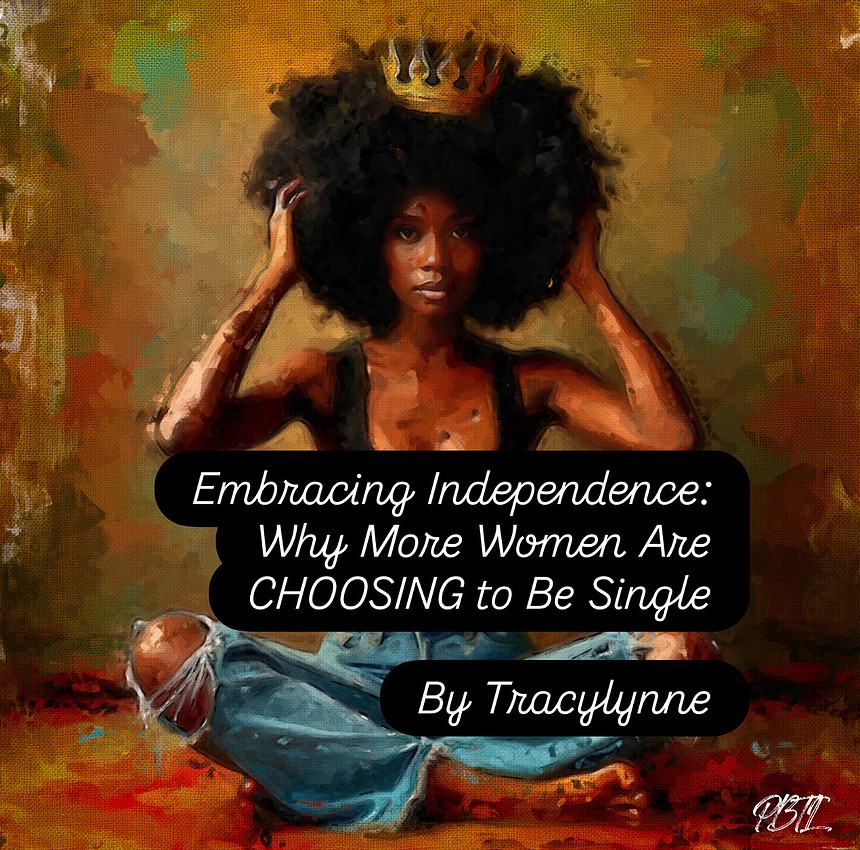

Over the past decade, a significant cultural shift has been observed in the way women perceive relationships and marriage. Increasingly, women are choosing to remain single rather than pursuing traditional romantic partnerships. This phenomenon raises important questions about societal norms, personal aspirations, and the evolving landscape of love and relationships. Let’s delve into the reasons behind this movement, supported by statistics, and explore the deeper implications for society.
The Statistics Behind Singlehood
According to the U.S. Census Bureau, the number of single women aged 18 and older has surged by over 20% in the past 10 years. In 2021, approximately 47% of women in this age group were single—a notable increase from 39% in 2010. Furthermore, a Pew Research Center survey revealed that 62% of single women stated that they are not currently looking for a partner, affirming a more content and self-sufficient ethos.
These numbers are not limited to the United States; global trends show a similar pattern. In the UK, the Office for National Statistics reported that in 2021, households comprised of single occupants, particularly women, outnumbered those of married couples for the first time. EU statistics indicate that around 35% of women across the continent remain single into their 30s and 40s, marking a significant shift in relationship dynamics.
Reasons Behind the Shift
Empowerment and Independence. A primary driver behind women choosing to remain single is the rise of empowerment and independence. Women today are achieving higher levels of education and career success than ever before. According the World Economic Forum, women make up nearly 60% of university graduates globally. As they invest in their personal and professional development, many prioritize their careers over traditional relationship milestones. Furthermore, a report from McKinsey & Company highlights that women now make up nearly half of the workforce, leading to greater financial independence. This newfound autonomy allows women to choose singlehood without the societal pressure to marry or settle down.
Women are increasingly viewing singlehood as a viable, fulfilling lifestyle rather than a status to be fixed. The common narrative of single women being lonely or incomplete is being challenged. Today’s single women are often perceived as independent, self-sufficient, and fully engaged with life on their own terms.
Shifting Relationship Ideals
The romantic ideals of previous generations centering around marriage and family are evolving. Many women now prioritize their personal happiness, mental health, and personal growth over societal expectations. A survey conducted by the American Psychological Association found that 70% of single women believe that being happy independently is crucial before entering a relationship.
The definition of relationships is evolving. Many women today seek partnerships that are fulfilling and equitable rather than conforming to outdated norms. A study published in the Journal of Marriage and Family found that women are increasingly prioritizing emotional compatibility and mutual respect over traditional roles. This shift has led many to conclude that being single can be more rewarding than settling for less in a relationship
Additionally, the stigma around divorce and breakups has changed. Many women who may have previously felt pressured to marry are now acknowledging that relationships can be complicated and often require significant emotional work. Rather than settling for an unsatisfactory partnership, women are choosing to focus on their well-being.
The Digital Dating Landscape
The rise of technology and dating apps has transformed the way people meet and form relationships. However, this digital landscape has also contributed to a sense of disconnection and superficiality. A 2022 survey from Tinder found that 54% of users reported feeling overwhelmed by the options available, leading to a paradox of choice. This feeling can sometimes result in frustration with dating, ultimately pushing women to opt for the single life rather than navigate the complexities of modern dating.
Social media plays a significant role in how women perceive relationships. Platforms like Instagram and TikTok showcase a myriad of lifestyles, including those of empowered single women who thrive independently. This visibility helps normalize singlehood and encourages women to embrace their choices without stigma. A survey conducted by the American Psychological Association found that women who engage with content celebrating single life report higher levels of self-esteem and life satisfaction.
Moreover, with many women experiencing digital harassment and inappropriate behavior in online spaces, some choose to avoid the dating scene altogether, thus opting for a single lifestyle that allows them to escape such challenges.
The Fear of Commitment
While many women are choosing to be single, some cite the fear of commitment and the potential for heartbreak as reasons for their decision. The rise of dating apps has created a paradox where options are abundant, yet meaningful connections can feel elusive. A study by the Journal of Social and Personal Relationships found that women are more likely to experience anxiety related to dating, leading some to opt for singlehood as a safer, less stressful alternative.
The Pursuit of Self-Discovery
Being single allows women the time and space to focus on self-discovery and personal growth. In a world that often prioritizes relationships, many women are choosing to invest in themselves first. A survey by the National Institute of Health found that women who prioritize personal development report higher levels of happiness and fulfillment, reinforcing the idea that being single can be a positive and enriching experience.
The Cultural Impact
The decision to remain single is far-reaching. It can reshape societal norms, family structures, and economic power dynamics. With women holding a greater share of disposable income, single women are driving trends in consumer behavior, housing markets, and social services. According to a study by the Urban Institute, single women now represent one of the fastest-growing segments of homebuyers.
Moreover, this trend can lead to more inclusive and diverse societal structures. As more women embrace singlehood, there is potential for new configurations of community, support systems, and familial relationships that do not revolve exclusively around traditional marriage.
The growing choice among women to remain single is a multifaceted trend rooted in empowerment, evolving societal norms, and the complexities of modern relationships. While this shift may provoke mixed reactions, it ultimately reflects a broader movement toward personal autonomy and self-defined happiness.
Importantly, choosing to remain unattached is not a rejection of relationships, nor is it driven by bitterness or past hurt. It is an affirmation of agency and intentional living. As women continue to redefine their roles in society, the narrative around singlehood is evolving—from one of lack or loneliness to one of strength and self-possession. In embracing independence, women are not only challenging outdated expectations but also paving the way for future generations to make choices aligned with their own values and aspirations.
In a world where the traditional timeline of life is being rewritten, it’s essential to recognize and respect the choices women make regarding their relationships. Whether single by choice or circumstance, the journey toward self-fulfillment remains a powerful and transformative experience.
In a world where women are increasingly choosing to write their own stories, singlehood is becoming a powerful narrative in itself, one that celebrates independence, personal growth, and holistic life fulfillment.
If you enjoy my work and want to support more of it, you can buy me a coffee: Buy Tracylynne a Coffee