Music as Medicine: Why Your Playlist Might Be Your Best Therapist

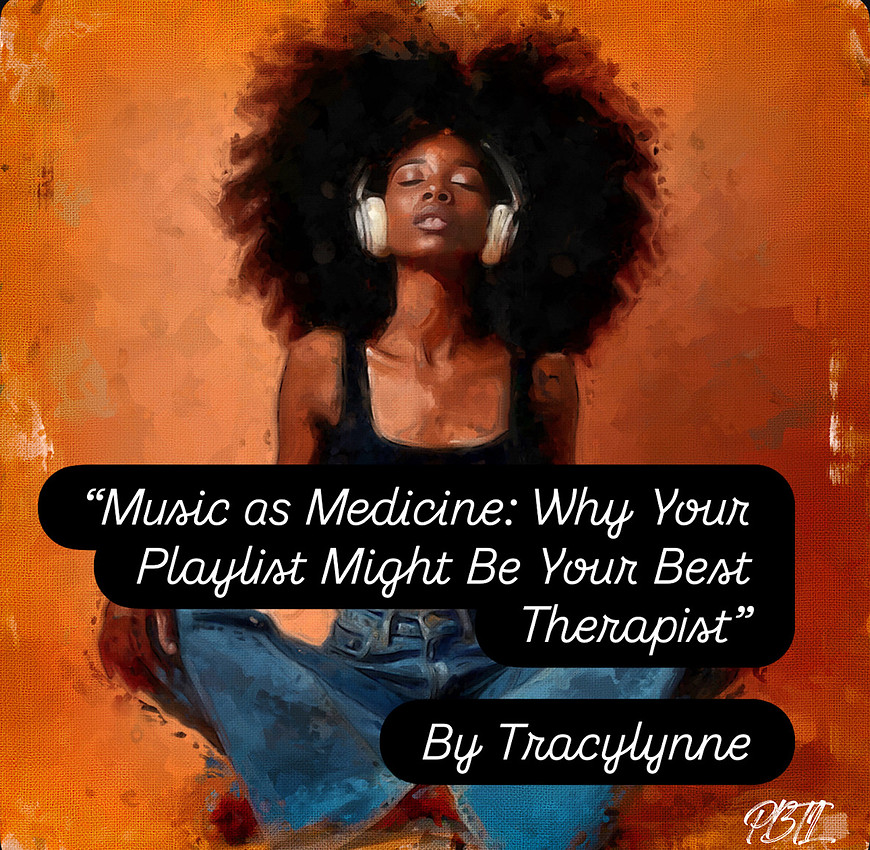

Most of my life, music was my escape and my safe place. As a child drowning in anxiety, it was my lifeline. As a young adult navigating heartbreak, rage, and fleeting joy, it was my translator, the only thing that could express what I couldn’t say. My playlists were my heart, my diaries and my headphones were a sanctuary. It wasn’t just background noise, it was survival.
This wasn’t just entertainment. This was therapy before I knew the word. Music has been therapeutic for me my entire life, a safe place where I could always find myself, no matter what I was facing.
If you’re still sleeping on the therapeutic power of music, you’re ignoring one of the most accessible, scientifically backed healing tools available. I don’t care if you think therapy is only for the "broken" or if you believe self-care is a buzzword. The truth? Music isn’t just entertainment.
It’s a neural reset button, an emotional regulator, and sometimes the only thing standing between you and a full-blown meltdown. The science is brutally clear: if listening to music isn’t an intentional tool in your arsenal for mental health, you are outright neglecting a proven, accessible form of self-care.
Music activates pathways in the brain few other stimuli can touch. When you listen to music, you are not just filling the air with background noise. You are lighting up networks for memory, emotion, movement, and even reward, the same brain systems targeted by therapy, medication, and meditation.
Functional MRI studies show that music releases dopamine, the pleasure chemical, and reduces cortisol, the enemy hormone of stress. This is hard science, not poetry.
Music doesn’t just improve mood; it literally rewires the brain through neuroplasticity, meaning repeated engagement with thoughtful listening can sharpen attention, enhance memory, and boost emotional resilience. One compelling review showed that structured music exposure led to significant reductions in depression and anxiety, even eclipsing some results from standard psychotherapy or verbal relaxation.
Not All Escapes Are Created Equal
-Therapeutic listening is not about tuning out; it is about tuning in. Research has found that music can:
-Lower anxiety, blood pressure, pain, and heart rate
-Boost mood, improve sleep, and enhance focus
-Build emotional regulation skills and provide safe spaces to explore grief, trauma, and unprocessed anger
People suffering from mental health conditions such as depression, PTSD, schizophrenia, or substance abuse have all experienced real, measurable improvement through structured music therapy and even intentional solo listening.
The Science Behind Your Playlist
If you think music only temporarily “distracts” you from your problems, you are underestimating its power. Studies have linked listening to music with increased immune system activity, higher levels of “feel-good” chemicals like dopamine and oxytocin, and better stress adaptation.
Nursing home patients with dementia showed reduced apathy and better communication after interactive music therapy compared to usual care. Children with developmental difficulties, trauma survivors, chronic pain sufferers, all demonstrate improved communication, emotional expression, and resilience through music therapy.
Music Therapy Isn’t a Trend. It’s a Lifeline
This is not about escapism or ignoring problems. To maximize its benefits, you must set boundaries around your music listening. Use music intentionally, pick tracks that match or challenge your current mood, use playlists as frameworks for reflection or emotional exploration, block out time for mindful listening as fiercely as you would a therapy session.
If you’re resistant to traditional therapy but blast your favorite album after a bad day, you’re "already" using music as therapy. The American Music Therapy Association (AMTA) has documented its efficacy in treating PTSD, depression, and even Parkinson’s disease (AMTA, 2020). Structured music therapy sessions use rhythm, melody, and lyric analysis to rebuild cognitive function and emotional resilience.
But you don’t need a therapist in the room to benefit. Curating intentional playlists for different moods, anger, grief, motivation, is a form of self-regulation. It’s not just "listening to tunes." It’s "prescribing yourself" the right auditory medicine.
The Truth
Plenty of self-help hacks are fluff. Therapeutic music listening is not. If you refuse to use one of the brain’s most powerful self-regulation and healing tools, you are actively making your journey harder. Trust the science. Now go turn up the volume.
If you enjoy my work and want to support more of it, you can buy me a coffee: Buy Tracylynne a Coffee